

What is the best way to cut natural soap flowers if needed?
Jul 30, 2025
Leave a message
Hey there! As a supplier of Natural Soap Flowers, I often get asked about the best way to cut these delicate beauties when needed. So, I thought I'd share some tips and tricks with you all.
First things first, let's talk about why you might need to cut natural soap flowers. Sometimes, you might want to resize them to fit a specific container or arrangement. Maybe you're creating a custom gift set and need to adjust the size of the flowers to make them look just right. Or perhaps you're using them for a craft project and need to trim them down to the perfect shape. Whatever the reason, cutting natural soap flowers can be a bit tricky, but with the right tools and techniques, you can do it like a pro.
Tools You'll Need
Before you start cutting, it's important to have the right tools on hand. Here's what you'll need:
- Sharp Scissors or a Knife: A sharp pair of scissors or a small, sharp knife is essential for cutting natural soap flowers. Dull blades can crush or tear the soap, so make sure your tools are nice and sharp.
- Cutting Board: A clean cutting board will provide a stable surface for cutting your soap flowers. You can use a plastic or wooden cutting board, but make sure it's clean and free of any debris.
- Measuring Tape or Ruler: If you need to cut your soap flowers to a specific size, a measuring tape or ruler will come in handy. This will help you ensure that your cuts are accurate and consistent.
Preparing Your Soap Flowers
Once you have your tools ready, it's time to prepare your soap flowers for cutting. Here's what you should do:
- Let Your Soap Flowers Cure: Natural soap flowers need to cure for a few weeks before they're ready to use. This allows the soap to harden and become more durable, making it easier to cut. If your soap flowers are still soft or pliable, wait a few more weeks before attempting to cut them.
- Clean Your Soap Flowers: Before you start cutting, make sure your soap flowers are clean and free of any dust or debris. You can use a soft brush or a damp cloth to gently clean the surface of the flowers.
- Mark Your Cuts: If you need to cut your soap flowers to a specific size or shape, use a pencil or a piece of tape to mark the areas where you'll be making your cuts. This will help you stay on track and ensure that your cuts are accurate.
Cutting Your Soap Flowers
Now that your soap flowers are prepared, it's time to start cutting. Here are some tips to help you get the best results:
- Take Your Time: Cutting natural soap flowers requires patience and precision. Don't rush the process, and take your time to make each cut carefully.
- Use a Sawing Motion: When cutting your soap flowers, use a sawing motion rather than a straight cut. This will help prevent the soap from cracking or breaking.
- Cut in Small Increments: If you need to make a large cut, it's best to do it in small increments. This will help you maintain control and prevent the soap from splitting or breaking.
- Smooth Your Edges: After you've made your cuts, use a sandpaper or a file to smooth the edges of your soap flowers. This will give them a professional look and prevent any rough edges from scratching or irritating your skin.
Different Types of Cuts
Depending on your needs, you might need to make different types of cuts on your natural soap flowers. Here are some common types of cuts and how to make them:
- Straight Cuts: Straight cuts are the most basic type of cut and are used to trim the edges of your soap flowers or to cut them to a specific length. To make a straight cut, simply line up your scissors or knife with the marked area and use a sawing motion to cut through the soap.
- Angled Cuts: Angled cuts are used to create a more decorative look or to fit your soap flowers into a specific space. To make an angled cut, line up your scissors or knife at an angle to the marked area and use a sawing motion to cut through the soap.
- Curved Cuts: Curved cuts are used to create a more organic or natural look. To make a curved cut, use a small, sharp knife and follow the curve of the marked area. Use a sawing motion to cut through the soap, and take your time to ensure that your cut is smooth and even.
Tips and Tricks
Here are some additional tips and tricks to help you cut your natural soap flowers like a pro:

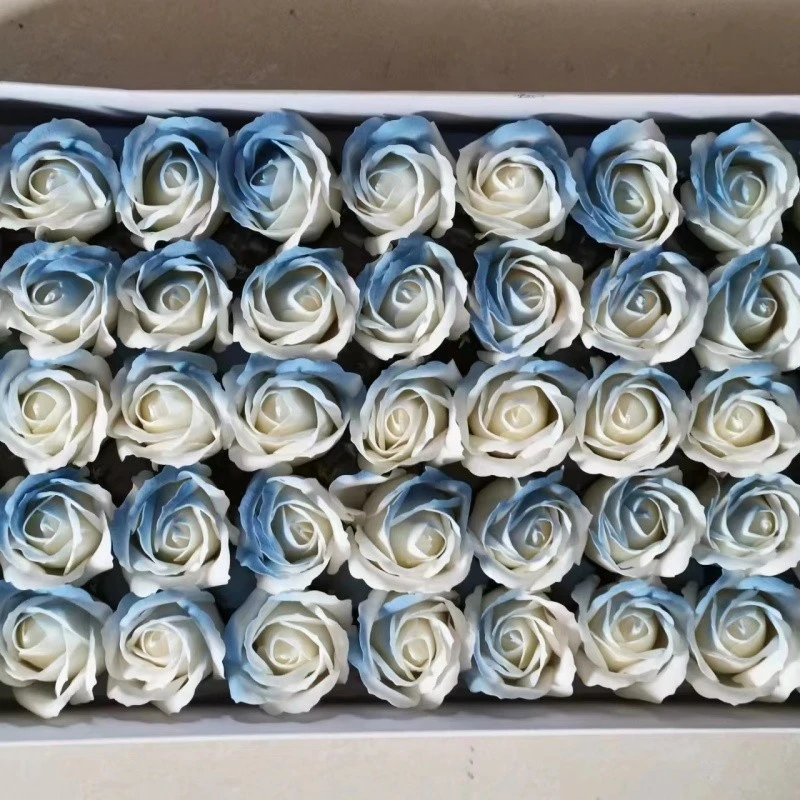
- Work in a Cool, Dry Place: Cutting natural soap flowers in a cool, dry place will help prevent the soap from melting or softening. Avoid cutting your soap flowers in direct sunlight or in a humid environment.
- Use a Template: If you need to cut your soap flowers to a specific shape, you can use a template to help you. You can create a template out of paper or cardboard and use it to trace the shape onto your soap flowers before cutting.
- Practice on Scrap Pieces: If you're new to cutting natural soap flowers, it's a good idea to practice on some scrap pieces first. This will help you get a feel for the cutting process and allow you to experiment with different techniques.
Conclusion
Cutting natural soap flowers can be a bit tricky, but with the right tools and techniques, you can do it like a pro. Remember to take your time, use a sharp pair of scissors or a small, sharp knife, and work in a cool, dry place. By following these tips and tricks, you'll be able to cut your natural soap flowers to the perfect size and shape for your needs.
If you're interested in purchasing high-quality Natural Soap Flowers, we've got you covered. We also offer Artificial Soap Flowers for those looking for a long - lasting alternative, Three - Layer Thickened Soap Flower which provides extra durability, and 3 - layer Rose Soap Flower for a classic and elegant look.
If you have any questions or are interested in placing an order, feel free to reach out to us. We're always happy to assist with your procurement needs and discuss how our products can fit into your projects.
References
- "Soap Making Basics" by Susan Miller Cavitch
- "The Complete Book of Soapmaking" by Jan Berry and Dean Berry