

Can soap flower petals be used in a glass cleaner?
Sep 15, 2025
Leave a message
In the world of cleaning products, we are constantly on the lookout for innovative and eco - friendly solutions. As a supplier of soap flower petals, I've often been asked an interesting question: Can soap flower petals be used in a glass cleaner? This blog post aims to explore this topic in depth, looking at the science behind soap flower petals, their potential in glass cleaning, and the products we offer that could be relevant.
Understanding Soap Flower Petals
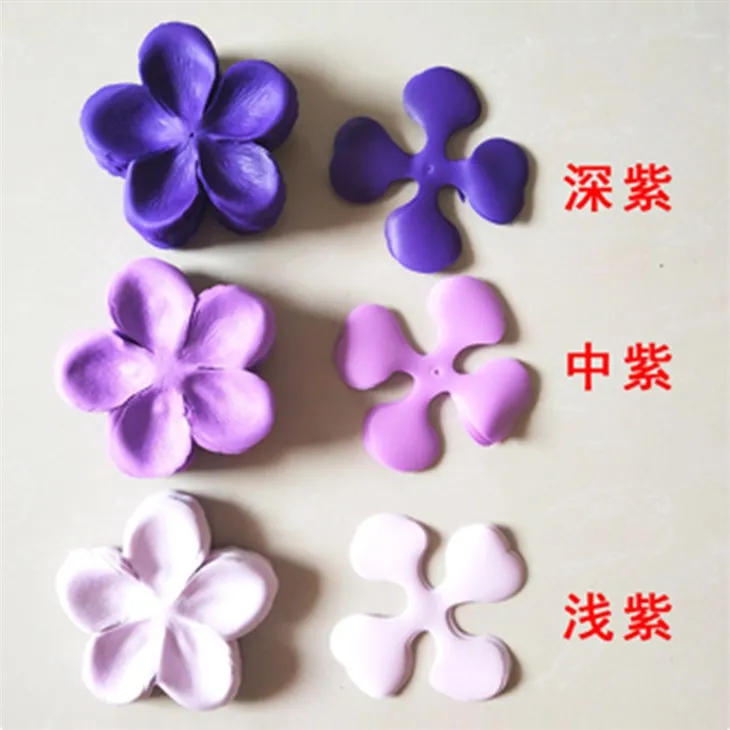
Soap flower petals are a unique and aesthetically pleasing product. They are made from natural soap materials and crafted into the shape of flower petals. These petals not only serve as beautiful decorative items but also have practical uses due to their soap - based composition.
The main components of soap flower petals typically include natural oils, glycerin, and other mild surfactants. Natural oils, such as olive oil or coconut oil, are known for their moisturizing and cleansing properties. Glycerin, on the other hand, is a humectant that helps to keep the soap soft and also has some cleaning capabilities. Surfactants are the key ingredients in any cleaning product as they reduce the surface tension of water, allowing it to spread more easily and lift dirt and grime.
Hua Tuo Soap Flower, available at Hua Tuo Soap Flower, is one of our popular products. It is made with high - quality natural ingredients, ensuring a gentle yet effective cleaning action. The petals are carefully crafted to maintain their shape and integrity, making them suitable for various applications.
The Science of Glass Cleaning
Before we can determine if soap flower petals can be used in a glass cleaner, it's important to understand the science behind glass cleaning. Glass is a smooth and non - porous surface, but it can easily accumulate fingerprints, dust, grease, and other contaminants.
A good glass cleaner should be able to dissolve and remove these contaminants without leaving streaks or residues. The ideal cleaner should have a balanced pH level. A pH that is too acidic or too alkaline can damage the glass surface over time. Additionally, the cleaner should have a low surface tension to ensure even spreading and effective removal of dirt.
Traditional glass cleaners often contain chemicals such as ammonia and alcohol. Ammonia is a strong cleaning agent that can dissolve grease and grime quickly, but it has a strong odor and can be harmful if inhaled. Alcohol evaporates quickly, leaving the glass dry, but it can also be drying to the skin and may cause damage to some types of glass coatings.
Can Soap Flower Petals Be Used in a Glass Cleaner?
The answer is yes, soap flower petals can be used in a glass cleaner. Here's why:

1. Mild Cleaning Action
The natural surfactants in soap flower petals can effectively break down dirt and grease on glass surfaces. Since they are made from natural ingredients, they are less likely to cause damage to the glass or leave behind harsh chemical residues. This makes them a great option for those who prefer eco - friendly and gentle cleaning solutions.
2. Low Surface Tension
As mentioned earlier, surfactants reduce the surface tension of water. When soap flower petals are dissolved in water, the resulting solution has a lower surface tension, allowing it to spread evenly across the glass and penetrate dirt particles more effectively.
3. No Streaking
The gentle nature of soap flower petals means that they are less likely to leave streaks on the glass. Unlike some chemical cleaners that can dry unevenly and leave visible marks, soap flower - based cleaners can provide a clear and streak - free finish.
4. Aromatherapy Benefits
In addition to their cleaning properties, soap flower petals often have a pleasant natural fragrance. Using them in a glass cleaner can leave your home smelling fresh and inviting while you clean.
Making a Glass Cleaner with Soap Flower Petals
Making a glass cleaner with soap flower petals is relatively simple. Here's a basic recipe:
Ingredients:
- A handful of 6 - layer Wave Rose Soap Flower Slices or Carnation Soap Flower Slices
- 2 cups of warm water
- Optional: a few drops of essential oil for extra fragrance
Instructions:
- Place the soap flower slices in a container and pour the warm water over them. Let the petals soak for a few hours or overnight until they are completely dissolved.
- Stir the solution gently to ensure that all the petals are fully incorporated.
- If desired, add a few drops of essential oil, such as lemon or lavender, for a pleasant scent.
- Pour the solution into a spray bottle.
To use the cleaner, simply spray it onto the glass surface and wipe it clean with a soft, lint - free cloth. You'll be amazed at how well it cleans and how streak - free the glass looks.
Our Product Range for Glass Cleaning
As a soap flower petal supplier, we offer a wide range of products that are suitable for making glass cleaners.
- 6 - layer Wave Rose Soap Flower Slices: These slices are thick and have a rich soap content. They dissolve easily in water, releasing a high concentration of natural surfactants. The rose fragrance adds a touch of luxury to your cleaning routine.
- Carnation Soap Flower Slices: Carnation - scented soap flower slices are another great option. They have a delicate and sweet fragrance, and their cleaning properties are just as effective as the rose slices.
Contact Us for Procurement
If you're interested in using our soap flower petals for glass cleaning or other applications, we'd love to hear from you. Our products are of the highest quality, and we offer competitive prices. Whether you're a small - scale user or a large - scale business looking to incorporate our soap flower petals into your cleaning product line, we can provide the quantity and customization you need.
Please feel free to reach out to us to discuss your procurement needs. We're committed to providing excellent customer service and ensuring that you have the best experience with our products.
References
- "The Chemistry of Cleaning", American Cleaning Institute.
- "Natural Cleaning Solutions", Environmental Working Group.