

Are soap flower petals edible?
Nov 18, 2025
Leave a message
Hey there! As a supplier of soap flower petals, I often get asked this super common question: "Are soap flower petals edible?" Well, let's dig into this topic and clear up any confusion.
First off, let's understand what soap flower petals are. Soap flowers are these beautiful, hand - crafted floral replicas made from soap base. They look incredibly real, just like fresh flowers, and come in a variety of shapes and colors. You can find all sorts of designs, like the 6 - layer Wave Rose Soap Flower Slices, the Hua Tuo Soap Flower, and the Carnation Soap Flower Slices. They're mainly used for decoration, in gift sets, or for aromatherapy purposes.
Now, to answer the big question: No, soap flower petals are not edible. And there are a few solid reasons for this.
The Ingredients
The soap base used to make these petals contains chemicals that are not meant to be ingested. Most soap bases have substances like sodium hydroxide, which is a strong alkali. When sodium hydroxide reacts with fats or oils during the soap - making process, it forms soap. But if you eat it, it can cause some serious damage to your digestive system. It can burn your mouth, throat, and stomach lining.
There are also often added fragrances and dyes in soap flower petals. These are used to make the flowers look and smell nice. However, many of these fragrances and dyes are not food - grade. They can be made from synthetic chemicals that are toxic when consumed. For example, some artificial dyes may contain heavy metals like lead or mercury, which can accumulate in your body over time and cause long - term health problems.
Manufacturing Process
The manufacturing process of soap flower petals isn't designed with food safety in mind. Factories that produce soap flowers are focused on creating a visually appealing and fragrant product. They don't follow the strict hygiene and safety standards that food production facilities do.
During the production, the petals might come into contact with machinery, tools, and workers' hands that have been exposed to non - food substances. There could be residues of cleaning agents used to clean the equipment, or contaminants from the environment. All of these things make the petals unfit for human consumption.
Risks of Ingestion
If someone accidentally eats soap flower petals, they're likely to experience some unpleasant symptoms. In the short term, they might feel nauseous, vomit, or have diarrhea. The chemicals in the soap can irritate the lining of the digestive tract, causing pain and discomfort.
In more severe cases, there could be an allergic reaction. Some people may be allergic to the fragrances or other ingredients in the soap. An allergic reaction can range from mild symptoms like itching and swelling to more serious ones like difficulty breathing or anaphylactic shock.
Common Misconceptions
I've noticed that some people think because soap flowers look so real, they must be edible. Or they might assume that since they're made from natural - looking materials, they're safe to eat. But looks can be deceiving. Just because something looks like a real flower doesn't mean it has the same properties.
Another misconception is that if the soap flowers are made from "natural" soap bases, they're okay to eat. While natural soap bases may use more plant - based ingredients, they still contain chemicals that are not suitable for ingestion. The process of making soap, even with natural ingredients, involves chemical reactions that result in a product that's meant for external use only.
What to Do if Ingested
If someone does accidentally eat soap flower petals, the first thing to do is to rinse their mouth out with water. Then, they should drink plenty of water to dilute the chemicals in their stomach. It's also important to contact a medical professional right away. Don't try to induce vomiting unless a doctor tells you to. The doctor will be able to assess the situation and provide the appropriate treatment.
Our Role as a Supplier
As a supplier of soap flower petals, we have a responsibility to educate our customers. We make sure that all our product descriptions clearly state that the petals are for decorative purposes only and not for consumption. We also provide information about the ingredients and the potential risks of ingestion.
We're constantly working on improving the quality of our products. We use high - quality soap bases and safe, non - toxic fragrances and dyes. But even with these improvements, we always emphasize that our products are not food items.
Applications of Soap Flower Petals
Even though they're not edible, soap flower petals have a ton of great uses. They're perfect for making beautiful gift sets. You can put them in a clear glass jar with some candles and create a really romantic and relaxing gift. They're also used in spas and salons for aromatherapy. The natural scents of the flowers can help people relax and relieve stress.
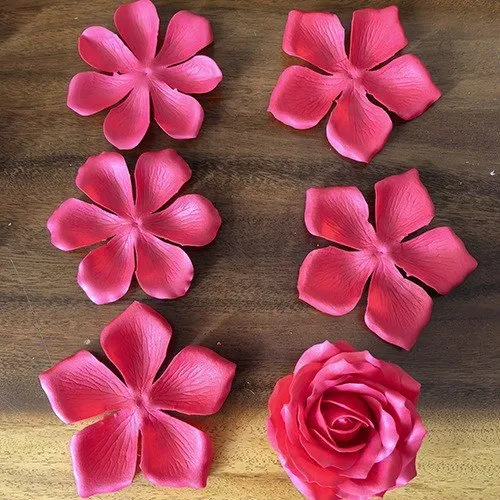

In the home decor world, soap flower petals can be used to add a touch of elegance. You can scatter them on a dining table for a special occasion, or use them to decorate a bathroom. They look great floating in a bowl of water, creating a lovely and fragrant centerpiece.
Conclusion
So, to sum it all up, soap flower petals are definitely not edible. The ingredients, manufacturing process, and potential risks all point to the fact that they're meant for decoration and other non - food uses.
If you're interested in buying our soap flower petals for your gift - making, home decor, or aromatherapy needs, we'd love to hear from you. Whether you're a small business looking to add some unique products to your inventory or an individual who wants to create a special gift, we can provide you with high - quality soap flower petals. Reach out to us to start a discussion about your procurement needs.
References
- "Soap Making: A Comprehensive Guide", Smith, J., 2018
- "Toxicology of Common Household Chemicals", Johnson, A., 2019
- "Fragrance and Dye Safety in Consumer Products", Brown, C., 2020